

Dos and Don’ts of Fireplace Cleaning After Winter Use
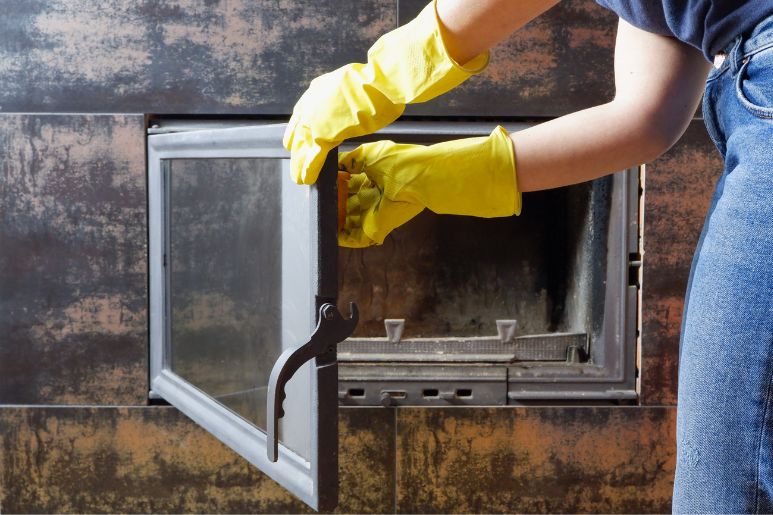
Cleaning a fireplace after winter use can be an important part of home maintenance that you shouldn’t overlook. This cleaning helps the fireplace look better and helps to prevent potential damage from occurring due to the buildup of soot and creosote. Knowing proper cleaning procedures will help ensure you get the job done safely and efficiently. Following this guide on the dos and don’ts of fireplace cleaning after winter use will keep your family safe from potential fire hazards while keeping your home looking great.
The Dos
When you get ready to clean your fireplace, it’s important that you know the proper process. In that, there are some things you want to do and some things you want to avoid. We’ll start with what to do. Continue reading to find out some tips that will help you clean your fireplace after the winter season.
Know When To Clean It
Once winter has officially ended and you’re sure you won’t use your fireplace again until the next season, it’s time to start preparing for a thorough cleaning. The first step in this process should be to ensure all embers have been completely extinguished and cooled down before attempting any cleaning or maintenance. It’s also important to ensure no remaining smoke or fumes linger inside the chimney flue. These can cause serious health issues if any household members, including pets, inhale them.
Clean the Firebox
The firebox is the part of a fireplace that contains burning logs and coals. Keeping the firebox clean is key to maintaining its efficiency, safety, and appearance. Regularly cleaning your firebox will help prevent soot and creosote from clogging it, which could otherwise lead to potential fires. It’s best to clean this area with a mix of baking soda and warm water, gently scrubbing to remove debris.
Clean the Bricks
You should also make sure to clean the bricks that surround your fireplace. After spraying the bricks with water and allowing them to soak for 10 minutes, scrub off any stubborn spots with a mixture of warm water and baking soda. The baking soda will help break down dirt, grime, and soot while being gentle on the brick surface. Once you’ve removed all the spots, rinse off the remaining soap. Allow the bricks to air-dry completely before proceeding with any further steps in the fireplace-cleaning process.
Remove the Creosote
Creosote is a flammable substance that builds up inside the chimney flue when wet wood burns in the firebox. This substance can lead to serious fire hazards if you don’t properly treat and remove it, so it’s important to perform thorough cleanings to ensure your family’s safety. To remove creosote from the walls of your firebox, start by spraying these surfaces with warm water and allowing them to soak for 10 minutes. Next, use a mixture of warm water and baking soda to scrub off any stubborn spots; this will help break down the substance. Once you’ve completely removed all spots, rinse off the remaining soap residue. Finally, apply a thin layer of heat-resistant sealant over the brickwork and other exposed surfaces within the firebox. This sealant helps prevent future buildups while also providing insulation against heat transfer to surrounding outside walls and ceilings during operation times.
The Don’ts
Now that you know what to do when cleaning a fireplace, you should also know what not to do. There are a few things you will want to avoid at all costs for safety and cleanliness. Continue reading to find out what things to stay away from when cleaning your fireplace after the winter is over.
Don’t Make a Mess
First and foremost, don’t make a mess. Cleaning a fireplace can be a grimy task, but you want to minimize the messiness as much as possible. To do this, taking a few precautionary steps is important before beginning any cleaning or maintenance within the firebox. First, cover nearby furniture with old sheets or tarps, so ashes and debris don’t end up on them during the cleaning process. Keep a trash can close by to easily dispose of large pieces of wood and soot. To further reduce the mess, sprinkle some damp coffee grounds over the ashes before sweeping them—this helps keep them contained and makes cleaning much easier afterward. And of course, it also helps to wear protective gear and clothing to avoid clothing stains from ash and debris.
Don’t Sweep Ashes That Recently Burned
Before sweeping ashes, you need to wait at least 24 hours after the last fire has gone out. This process will help ensure that all embers have been completely extinguished and cooled down, preventing accidental flare-ups.
Don’t Use Flammable Chemicals
When cleaning the fireplace, avoid using abrasive or flammable chemicals, as these can damage brickwork and other surfaces. Instead, use natural cleaners, such as a mixture of warm water and baking soda, to eliminate debris without causing damage. It’s essential never to use any flammable chemicals anywhere near a fireplace, even if the fireplace is not currently in use, as this is a serious safety hazard.
Don’t Clean a Gas Fireplace Like a Wood-Burning Fireplace
Important differences exist between gas and wood-burning fireplaces that you must be aware of to keep your home and family safe. For one, never spray water or cleaner near or on an electronic gas fireplace; this could cause a short circuit or even spark an electrical fire. Also, avoid using abrasive chemical cleaners on surfaces within the gas firebox, as these can permanently discolor and damage delicate parts like grates or glass doors during cleaning. Instead, use compressed air to blow away debris from hard-to-reach areas, such as between crevices in brickwork. Finally, you can use soft-bristled brushes (such as paintbrushes) to remove dirt for deep-cleaning purposes.
Now that you have reviewed this guide on the dos and don’ts of fireplace cleaning, you can use these strategies at home today. And if you’re looking to do more than just clean your fireplace, elevate your fireplace’s look with fireplace mantel brackets from Right On Bracket. Browse our website or contact us today for more information!
4 Effective Ways To Organize Your Home Library
DIY Fireplace Repair: Must-Know Tips for Every Homeowner
Related Posts

Space-Saving Shelf Ideas for Tiny Kitchens

Quick Guide to Building and Installing a Built-In Workbench

Ways to Use Shelf Brackets as Room Dividers

What To Consider Before Installing Shelves in Outdoor Spaces

Ensuring Your Bracket Installs Meet Building Codes

Tips for Properly Caring for Granite Countertops

Mistakes To Avoid When Installing Corner Shelves
