

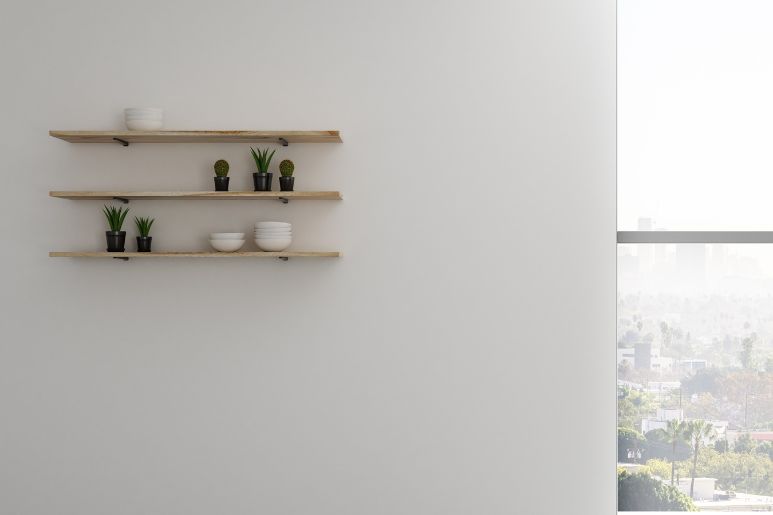
The Impact of Shelf Bracket Design on Load Capacity
When it comes to setting up shelves, many homeowners focus on choosing the ideal material, color, or finish. However, the brackets carrying the load often determine whether your project will succeed or cause you frustration.
After all, the design of shelf brackets is critical to determining how much weight your shelves can hold. Ahead, explore the impact of shelf bracket design on load capacity to select the right bracket for your next shelving project.
Why Bracket Design Matters
While brackets often stay hidden under shelves, their role in supporting weight is pivotal. The wrong bracket—or improper installation—can lead to sagging, instability, or even complete project failure. Bracket design matters because it determines:
- Weight distribution across the shelf
- Whether the bracket can resist bending or breaking under load
- The type of materials the shelf is compatible with
- How well the shelf integrates with your wall or mounting surface
By paying attention to bracket design early in your shelving project, you can avoid headaches down the line.
Key Factors That Influence Load Capacity
Several factors within the design of a shelf bracket impact its load capacity. Here’s what you need to know.
Bracket Shape
Common bracket shapes include L-shaped, triangular, and decorative brackets. Each type has different attributes that affect load capacity. L-shaped brackets are simple right-angled brackets that offer straightforward support for shelves. They’re cost-effective and work well for lightweight shelving.
Triangular brackets add diagonal support to the design, improving a bracket’s ability to hold weight. These bracketsare a popular choicefor heavier applications like bookshelves or garage storage because of their strength.
Decorative brackets come in various artistic shapes and sizes, perfect for homeowners prioritizing aesthetics. Always check the specifications before committing to decorative brackets for heavy-duty shelves.
Bracket Size
Wider and longer brackets provide more contact surface with the wall and the shelf, enhancing stability and distributing weight more evenly. A general rule of thumb is that the bracket should be two-thirds the depth of the shelf at minimum. For example, if your shelf is 12 inches deep, the bracket should have a projection of eight inches or more to safely support heavy loads.
Bracket Material
Different materials have varying strength levels, and some suit certain environments better than others. Steel is a durable and strong material, making it an excellent choice for load-intensive applications. Powder-coated steel brackets resist corrosion, so they’re ideal for use in garages or kitchens.
These advantages make steel brackets appealing to homeowners who want reliable weight support. By comparison, aluminum is lightweight and corrosion-resistant but not as strong as steel. Aluminum brackets may work well for smaller shelves or for environments where exposure to moisture is a concern.
Bracket Placement and Installation
Even the strongest bracket will faildue to improper installation techniques or poorly chosen placements.Load distribution is just as much about placement as it is about the bracket itself.
Spacing Between Brackets
The spacing between brackets determines how well your shelf handles the weight. For heavier loads,positionbrackets closer togetherso that they’re no more than 16 to 24 inches apart. Longer shelves without adequate bracket support are prone to sagging in the middle.
Wall Anchors
The type of anchor you use to secure brackets is equally important. Drywall anchors or toggle bolts are necessary if you’re unable to drill brackets into wall studs. Studs will naturally provide the strongest support, so try to align your brackets with them when possible.
Orientation
Install bracketsin an upright position so they’re perfectly level. Even slight tilts can create uneven weight distribution, reducing the overall load capacity.
Choosing the Right Brackets for Your Needs
With the variety of bracket designs available, you must pick the right one for your specific shelving needs.Consider these common shelving scenarios in your decision-making.
Bookshelves
Books can be heavy,especially when stacked together,so you’ll need robust brackets like triangular ones for maximum strength. Gofor steel brackets with deep projections. Pay attention to the brackets’ load ratings, typically listed on the packaging or product specs, so they’re suitable for the expected weight.
Kitchen Shelving
Open kitchen shelves need brackets that areas visually appealing as they are sturdy. Decorative metal brackets are a popular choice here. Be sure to consider the material of both the shelf and brackets if you anticipate placing heavy dishes, cookware, or other kitchen items on these shelves.
Garage Storage
For heavy-duty garage shelving that holds tools, paint cans, or appliances, prioritize strength over aesthetics. Triangular steel brackets or L-brackets with reinforced supports are ideal. Securely anchor yourbrackets with studs for maximum safety.
Decorative Display Shelves
Experiment with various bracket designs for lighter items like picture frames, plants, or small decorative objects. Confirm that the brackets can support the expected weight and aren’t purely ornamental.
Floating Desks and Shelves
Floating desks offer functionality and style, making them a versatile choice for compact dedicated home offices, child’s study areas, and lighter-use workspaces like crafting or drawing stations. Such desks rely on hidden brackets typically used for floating shelves that connect directly to the wall.
When you need durable, high-quality, hidden floating desk support brackets, source them from a trusted manufacturer like Right On Bracket. Browse our selection of brackets to craft a sturdy, sleek, and minimalistic workspace. We proudly support homeowners’ shelving projects in home offices, kitchens, laundry rooms, garages, bathrooms, and more.
Tips for Maximizing Shelf Stability
Regardless of the choice of bracket you acquire from Right On Bracket, there are a few best practices to follow so your shelves stay stable and sturdy in the long term:
- Double-check the weight rating of the brackets and the shelf material.
- Level all brackets during installation to avoid tilts that affect weight distribution.
- Use high-quality wall anchors if securing brackets to drywall.
- Regularly check your shelving for signs of wear, such as sagging or cracks, and address issues promptly.
What’s the impact of shelf bracket design on load capacity? The shape, material, and placement of your shelf brackets directly determine how much weight your shelves can handle. Whether installing a stylish floating shelf or rugged storage racks in the garage, taking the time to select brackets that suit specific needs will prevent potential failures and costly reworks.

Tips for Properly Supporting Countertop Joints and Seams
Factors To Consider Before Mounting Shelves
Related Posts

Space-Saving Shelf Ideas for Tiny Kitchens

Quick Guide to Building and Installing a Built-In Workbench

Ways to Use Shelf Brackets as Room Dividers

What To Consider Before Installing Shelves in Outdoor Spaces

Ensuring Your Bracket Installs Meet Building Codes

Tips for Properly Caring for Granite Countertops

Mistakes To Avoid When Installing Corner Shelves
